
How To Stop Water Leakage from Walls?
Water leakage from walls can be a serious issue that leads to structural damage, mold growth, and high repair costs. It is important to address water leakage as soon as you notice it to prevent further damage. In this blog post, we will discuss the causes of water leakage from walls and provide tips on how to stop how to stop water leakage from wall.
Causes of Water Leakage from Walls
Before we dive into the solutions, it is important to understand the causes of water leakage from walls. This will help you identify and address the root cause of the problem, rather than just treating the symptom.
- Cracks in Foundation or Walls: Cracks in your foundation or walls can allow water to seep into your home. These cracks can occur due to settling of the foundation, earthquakes, or poor construction. If left untreated, they can lead to serious structural damage.
- Poor Drainage System: A faulty drainage system around your home can cause water to accumulate near the walls and seep in through any cracks or gaps.
- Clogged Gutters: If your gutters are clogged with leaves, debris, or ice, they will not be able to effectively channel water away from your home. This can lead to water pooling near the walls and eventually seeping into your home.
- Leaking Pipes: Old or damaged pipes inside or outside your walls can cause water leakage. It is important to regularly inspect and maintain your plumbing system.
- Improperly Sealed Windows or Doors: If you notice water near your windows or doors, it could be a sign of poor sealing. This allows water to enter your home during heavy rain or snowfall.
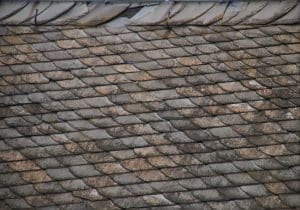
- Damaged Roof: A damaged roof can allow water to seep in through any cracks, holes, or missing shingles.
How To Stop Water Leakage from Walls
Now that we have identified the potential causes of water leakage from walls, let’s discuss how to stop it.
1. Fix Cracks in Foundation or Walls
If you notice any cracks in your foundation or walls, it is important to address them as soon as possible. Here are the steps to fix cracks in foundation or walls:
- Clean the area around the crack with a wire brush and remove any loose debris.
- Fill the crack with a high-quality epoxy or polyurethane sealant. These sealants are flexible and can withstand movement, making them suitable for cracks that may expand or contract.
- **Smooth out the sealant with a putty knife and let it dry completely.
- If the crack is wide, you may need to apply multiple layers of sealant. Allow each layer to dry before applying the next one.
- After the sealant has dried, you can sand it down for a smoother finish. You can also paint over the repaired area to match your existing wall color.
2. Improve Drainage System
If you have a poor drainage system, it is important to improve it to prevent water from accumulating near your walls. Here are some ways to improve your drainage system:
- Clean out gutters and downspouts regularly to ensure proper flow of water away from your home. You can use a gutter guard or mesh cover to prevent debris from clogging the gutters.
- Install a French drain or trench drain around your home to divert water away from your foundation. These are underground pipes that collect and redirect water to a designated area.
- Grade the soil around your home so that it slopes away from your foundation, rather than towards it. This will ensure that water runs away from your home.
- Install a sump pump in your basement to prevent water from accumulating and seeping into your walls. Make sure to regularly maintain and test the sump pump for proper functioning.
3. Clean Gutters Regularly
As mentioned earlier, clogged gutters can lead to water pooling near your walls and eventually causing leakage. It is important to clean your gutters regularly, especially during the fall when leaves and debris are more likely to accumulate. Use a ladder and gloves to remove any debris and flush out the gutters with a hose.
4. Inspect and Maintain Your Plumbing System
Regularly inspecting and maintaining your plumbing system can prevent water leakage from damaged or old pipes. Here are some tips:
- Check for any signs of leaks, such as water stains or mold growth, and address them immediately.
- Insulate your pipes to prevent them from freezing during cold weather. Frozen pipes can burst and lead to water leakage.
- Regularly check the water pressure in your home. High water pressure can put stress on your pipes and cause them to leak. You **can install a pressure-reducing valve to regulate the water pressure.
5. Seal Windows and Doors
If you notice water seeping through your windows or doors, it could be a sign of poor sealing. Here’s what you can do:**
- Inspect the weather stripping around your windows and doors for any signs of wear and tear. If needed,** replace them with new ones.
- Caulk any gaps or cracks around your windows and doors to prevent water from entering. Make sure to use a waterproof caulk for exterior areas.
6. Repair Damaged Roof
If you have a damaged roof, it is important to repair it to prevent water leakage into your walls. Here are the steps you can take:
- Inspect your roof for any signs of damage, such as missing shingles, cracks, or holes.
- f the damage is minor, you can attempt to repair it yourself using roofing cement or sealant. For more extensive damage, it is best to hire a professional.
- Regularly clean your gutters and remove any debris to prevent water from pooling on your roof and causing further damage.
- Schedule regular roof inspections and maintenance to catch any potential issues before they become major problems.
Frequently Asked Questions
1. How often should I inspect my home for water leaks?
It’s recommended to perform a thorough inspection of your home’s plumbing system and exterior at least twice a year. However, if you live in an area prone to heavy rainfall or snowfall, or if your home is older, more frequent inspections may be necessary.
2. What happens if water leaks are not addressed?
Ignoring water leaks can lead to serious issues like structural damage, mold and mildew growth, and even potential health hazards. Therefore, it’s crucial to resolve any leaks as soon as they are identified.
3. Can I fix a water leak myself?
Minor leaks, like a small crack or a leaky faucet, can often be fixed with some basic knowledge and the right tools. However, for more complex issues like a leaking roof or foundation cracks, it’s advisable to hire a professional.
4. What is a sump pump and how can it help?
A sump pump is a device installed in your basement or crawlspace to collect water and pump it away from your home. It can be particularly useful in preventing water accumulation and seepage into your walls, especially in areas prone to flooding.
5. How do I know if my drainage system is faulty?
Signs of a faulty drainage system can include water pooling near the foundation, damp or wet spots on your walls or floors, and a persistent musty smell. If you notice any of these signs, it’s recommended to consult with a professional who can assess your drainage system and propose solutions.
Conclusion
By addressing the root causes of water leakage from walls, you can effectively prevent it from happening in the future. Regular maintenance and inspections of your home’s foundation, drainage system, gutters, plumbing system, windows, and roof are key to keeping your home dry and protected from water damage. If you notice any signs of water leakage, it is important to take action immediately to prevent further damage. With these tips in mind, you can keep your home safe and dry for years to come.
For More Details Contact Us!


