
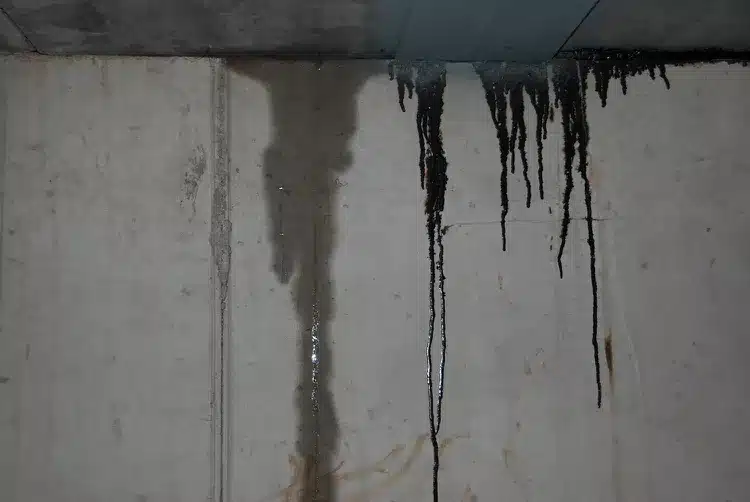
How To Check Water Leakage in Walls?
Water leakage is a common problem that homeowners face. It is not only an inconvenience but can also cause serious damage to your walls, ceiling and floors if left unchecked. In most cases, water leakage starts from the walls and can be difficult to detect until it has already caused significant damage.
In this blog post, we will discuss how to check water leakage in walls and identify the signs of water damage early on.
Signs of Water Leakage in Walls
The first step in checking for water leakage is to look out for any visible signs. These may include:
- Damp or wet patches on your walls, especially near plumbing fixtures
- Peeling or bubbling paint or wallpaper
- Discoloration or staining on the walls and ceilings
- Musty odor in the affected area
- The presence of mold or mildew growth
If you notice any of these signs, it is important to investigate further to determine if there is a water leakage issue.
Conduct a Visual Inspection
The next step is to conduct a thorough visual inspection of your walls. This can help identify the source of the water leakage. Start by checking for any cracks or gaps in the walls, as these can be entry points for water. Check around plumbing fixtures such as faucets, toilets and showerheads for any signs of leaks.
Conduct a Water Meter Test
If you suspect that there may be a hidden leak behind your walls, you can conduct a water meter test. Start by turning off all water sources in your home and ensure that there is no water being used. Then, check the water meter to see if it is still running. If it is, this could be a sign of a hidden leak.
Use an Infrared Camera
Another method of detecting water leakage behind walls is by using an infrared camera. These cameras can detect temperature changes in your walls and can identify areas of moisture, which could be a sign of water leakage.
Call a Professional
If you are unable to detect any signs of water leakage or determine the source on your own, it is best to call a professional plumber. They have specialized equipment and knowledge to accurately diagnose and fix any water leakage issues in your walls.
Water seepage causes
Water seepage is a common problem that many homeowners face. It refers to the infiltration of water into buildings through cracks, gaps, or other openings in the walls and floors. This can cause serious damage to the structure of the building as well as create health hazards for those living inside.
Causes of water seepage
There are various factors that contribute to water seepage, including:
- Poor construction: Improperly built structures with weak foundations or poorly sealed walls and floors can allow water to seep in.
- Climate conditions: Heavy rainfall, snow melting, and extreme weather conditions can cause excess water to accumulate around the building, leading to seepage.
- Clogged gutters and downspouts: If gutters and downspouts are not regularly cleaned, they can become clogged with debris and prevent water from draining away from the building properly.
- Lack of waterproofing: Buildings that have not been properly waterproofed during construction or maintenance are more susceptible to water seepage.
- Cracks in walls and floors: Over time, buildings can develop cracks due to settling of the foundation or other factors. These cracks can allow water to seep in, especially during heavy rainfall.
- Poor soil drainage: The type of soil around a building can have an impact on how well it drains excess water away. If the soil is not conducive to proper drainage, it can lead to water buildup and seepage.
Frequently Asked Questions (FAQs)
- What is the most common cause of water leakage in walls?
Most often, water leakage in walls is caused by plumbing issues, such as a pipe that has burst or is leaking.
- How can I prevent water leakage in my walls?
Regular maintenance of your household plumbing system, keeping your gutters clean, and ensuring proper sealing around windows and doors can help prevent water leakage.
- How much does it cost to fix a water leak in the wall?
The cost to fix a water leak in the wall can vary greatly depending on the severity of the leak and the extent of the damage. On average, homeowners may spend anywhere from $150 to $1000.
- Can water leakage cause mold?
Yes, water leakage can create a damp environment which is ideal for mold growth. It’s important to address water leaks promptly to prevent mold and other related issues.
- How quickly can water damage a wall?
Water can start causing damage almost immediately and it can become visible within hours or days. Long term, untreated water leakage can lead to serious structural damage.
- Is water leakage covered by insurance?
Coverage can vary by policy. It’s best to contact your insurance provider directly to find out what is covered.
Interior Plumbing: A Key Player in Preventing Water Leakage
Interior plumbing is the lifeblood of a home’s water system, carrying water to various parts of the home for daily use. However, it’s also a common source of water leakage in walls. Therefore, proper maintenance and care of interior plumbing are essential to prevent leaks and water damage.
Regular Maintenance is Vital
Regular maintenance of interior plumbing involves routine inspections for signs of wear and tear. Check all visible pipes for corrosion, leaks, and cracks. Pipes under sinks, in basements, or in crawl spaces are especially prone to these issues.
Ensure that seals around faucets and showerheads are in good condition and replace them if they show signs of deterioration.
Winters Require Extra Care
During winters, pipes can freeze and burst, causing significant water damage. To prevent this, insulate exposed pipes, especially those in unheated areas of your home. On extremely cold days, let water drip from faucets served by exposed pipes.
Know When to Seek Professional Help
While regular maintenance can prevent many issues, some problems may require the expertise of a professional plumber. If you notice a significant decrease in water pressure, discolored water, or an unexplained increase in your water bill, it’s time to call a professional. They can diagnose and repair any hidden leaks, protecting your home from potential water damage.
In Conclusion
By giving due attention to your home’s interior plumbing, you can detect and prevent water leaks before they cause serious damage to your walls. Remember, an ounce of prevention is worth a pound of cure. So stay vigilant, conduct routine maintenance, and seek professional help when needed to keep your walls free from water leakage.
For More Details Contract Us!


